Vintage Christmas Toys: Festive Illustrations
As a brand designer and content marketer, I approach every seasonal campaign with a critical eye for visual storytelling. When I first opened the Vintage Christmas Toys collection, my immediate reaction was one of nostalgic warmth. In an era where digital marketing often feels sterile or overly polished, there is a profound power in imagery that evokes memory and emotion. This graphic design asset does not merely decorate; it communicates a specific mood of timeless joy and handcrafted quality. For brand owners and small business creators looking to cut through the noise of the holiday feed, these Illustrations offer a compelling way to humanize a brand and foster deeper audience trust.
Setting the Mood for Seasonal Brand Narratives
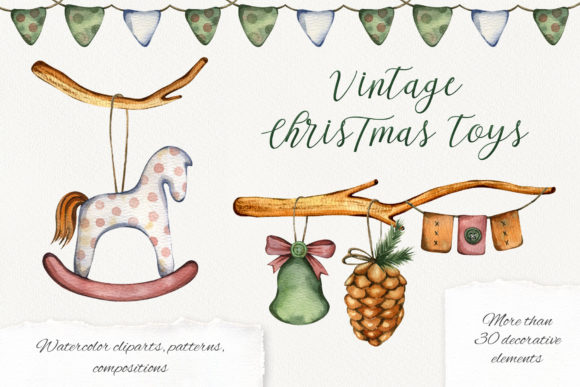
The primary strength of Vintage Christmas Toys lies in its ability to establish an emotional tone before a single word of copy is read. The aesthetic leans heavily into a retro-chic vibe, perfect for brands that position themselves as artisanal, boutique, or family-oriented. When reviewing this creative design for a hypothetical product launch—say, a limited-edition holiday gift set for a handmade soap company—the assets immediately suggested a narrative of tradition and care. Unlike generic, flashy holiday graphics that can feel cheap, these visuals bring a sense of heritage. They are ideal for lifestyle content, editorial graphics, and commercial marketing materials that need to feel premium yet accessible. The texture and line work suggest a history, which is invaluable for building a brand identity that feels established and trustworthy.
Practical Applications Across Marketing Channels
In real-world marketing scenarios, versatility is king. I tested how Vintage Christmas Toys performs across various touchpoints, and the results were impressive. For social media graphics, particularly Instagram posts and Stories, the assets provide instant focal points that stop the scroll. They work exceptionally well as Pinterest pins, where the vertical composition and detailed artistry attract users searching for holiday inspiration. When adapted for Facebook ads or digital ads, the imagery holds up well against bold calls-to-action, provided there is sufficient negative space.
Beyond social media, this design bundle shines in packaging design and product labels. Imagine a printable design used as a sticker on a kraft paper box; the vintage style complements natural materials beautifully. For web designers, these elements serve as excellent website headers or email banners that refresh a site's look for the season without requiring a full overhaul. Content creators can also integrate these into Canva templates for lead magnets or media kits, adding a layer of professional polish that elevates the perceived value of the digital product being offered.
Enhancing Visual Hierarchy and Audience Engagement
The strategic use of Vintage Christmas Toys directly supports key marketing goals, primarily by strengthening visual hierarchy. Because the illustrations are distinct and rich in detail, they naturally draw the eye, allowing designers to guide the viewer's attention to key messages or offers. This leads to better engagement rates and more memorable campaign visuals. Furthermore, consistency in using these assets across brand identity materials—from business cards to merchandise—reinforces brand recognition. When an audience sees a cohesive visual language, it signals professionalism and attention to detail, which are critical factors in converting a casual browser into a loyal customer.
For small business branding, this asset is a game-changer. It allows solo entrepreneurs to compete visually with larger corporations by offering a unique, curated aesthetic that feels personal. Whether used in editorial design for a blog post about holiday traditions or as decorative elements in event flyers, the assets help create a unified story that resonates emotionally.
Ideal Use Cases for Maximum Impact
To get the most out of Vintage Christmas Toys, it is best deployed in specific contexts where its character can shine. These include:
- Hero Graphics: Using the largest, most detailed illustrations as the main visual on landing pages or campaign headers.
- Product Launch Visuals: Incorporating the toys into mockups to suggest the perfect gift idea.
- Branded Templates: Building a suite of social media backgrounds that followers recognize instantly.
- Packaging Accents: Adding subtle touches to boxes, bags, or tissue paper to enhance the unboxing experience.
- Content Bundles: Including the assets as bonuses in digital courses or creative marketplaces to add value.
Navigating Limitations and Design Constraints
While Vintage Christmas Toys is a powerful tool, it requires discernment. It may not be suitable for formal corporate branding where a sleek, ultra-modern aesthetic is required. In dense information layouts or text-heavy ads, the intricate details of the illustrations could compete with the main message, causing visual clutter. Additionally, caution is needed when using these assets on low-contrast backgrounds or in very small mobile graphics where fine lines might disappear or look muddy. Brands with an overly minimal identity should use these elements sparingly, perhaps as a single accent rather than a pattern, to avoid disrupting their clean visual language.
Designer Notes for Professional Execution
To ensure Vintage Christmas Toys integrates seamlessly into your workflow, consider these practical steps. First, test the assets against your existing brand color palette. While they have a inherent vintage tone, they may need color adjustments to match your specific hex codes. Always check how the SVG design or PNG design files render in black and white, especially if you plan to use them for monochrome printing or fax-friendly documents.
Place the illustrations inside real campaign mockups before finalizing. Preview them on mobile screens to ensure readability and impact at smaller sizes. Compare the visuals against competitor assets to ensure your brand stands out rather than blends in. Pay attention to typography pairings; these illustrations often pair beautifully with serif fonts for a classic look, script fonts for a personal touch, or bold display fonts for a modern contrast. Finally, and most critically, review the spacing and balance in your compositions to maintain a professional appearance. Always confirm the commercial license terms before using these design assets in paid campaigns, client work, or for resale in your own products. By treating this graphic design asset with strategic intent, you can create holiday marketing that is not only visually stunning but also deeply effective.