Christmas Teapot House: A Cozy Card Design Review
As someone who spends more time staring at stitch maps than most people spend watching television, I approach every new machine embroidery design with a mix of excitement and skepticism. We've all been there: you buy a cute file, load it onto your machine, and halfway through the run, you realize the density is going to tear your fabric or the details are too small to ever look crisp. That is why I took a close look at the Christmas Teapot House. Christmas Card before committing it to a client project. This isn't just a digital preview; this is an evaluation of how this specific illustration translates into thread on real-world materials.
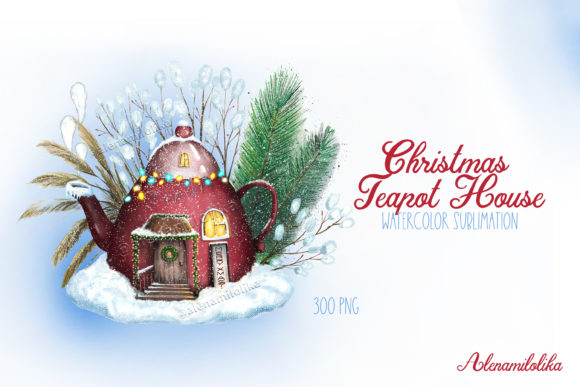
The first thing that strikes me about this design is its mood. It captures that specific, nostalgic warmth of a hygge winter evening. The concept of a teapot functioning as a cozy house is whimsical without being childish, which makes it incredibly versatile for a craft business targeting adults rather than just children. Visually, the layout feels balanced. In the world of Illustrations, negative space is just as important as the ink, and in embroidery, it's about managing the ratio of thread to fabric. This design seems to understand that. It doesn't look like a solid block of thread that will turn your towel into cardboard; instead, it suggests a thoughtful distribution of satin stitch outlines and fill stitch areas that should allow the fabric texture to breathe.
Real-World Application: From Screen to Sweatshirt
To truly test the viability of the Christmas Teapot House. Christmas Card, I imagined a specific scenario: a custom order for a local boutique needing holiday-themed custom apparel. Picture a heather grey French terry sweatshirt embroidery project. This is a tricky substrate because of the looped texture. A design with too many tiny running stitches would get lost or snag immediately. However, the bold shapes inherent in this teapot concept suggest it would sit beautifully on top of the fleece or terry loops. The "house" aspect implies windows and a door, which usually translates well to distinct color blocks, making it ideal for showcasing high-quality thread colors like deep evergreens, warm terracottas, and creamy whites.
Beyond apparel, I can see this working exceptionally well as a tote bag design. Canvas bags are a staple for Etsy seller inventories during the fourth quarter. The structural nature of a teapot fits the rectangular or square constraints of a standard hoop perfectly. If you are looking to create a personalized gift, adding a monogram inside the "steam" rising from the spout or beneath the handle could elevate this from a generic decoration to a bespoke item. For a small shop product, consistency is key, and this design offers a recognizable silhouette that could become part of a larger holiday collection.
Navigating Fabric Textures and Hoop Constraints
While the design is charming, practical application requires caution. Not every surface is ready for this level of detail. If you are planning to use this on a stretchy knit, like a baby onesie for baby embroidery, you must be vigilant about your stabilizer choice. The weight of the thread in the teapot body could cause puckering if the fabric isn't properly supported. I always recommend testing on scrap fabric first, especially when dealing with textured fabrics like waffle weave kitchen towels or thick wool blankets.
Another consideration is the hoop size. While the design looks compact in the thumbnail, intricate illustrations often require a medium or large hoop to ensure the machine has enough room to maneuver without hitting the frame, particularly if you are doing this on a curved surface like a cap. Speaking of caps, while the theme is great for holiday embroidery, the flat base of a teapot might distort on the front panel of a structured hat unless you use a foam underlay or adjust the pull compensation settings. Always check the specific dimensions of the embroidery file against your available hoops before promising a delivery date to a client.
Commercial Viability and Brand Perception
For commercial embroidery professionals, the visual appeal of a design directly impacts perceived value. A sloppy stitch-out ruins trust, but a crisp, well-executed design builds brand loyalty. The Christmas Teapot House. Christmas Card has the potential to enhance brand consistency if used as part of a seasonal launch. Its clean lines suggest professionalism. When a customer receives a finished product where the "windows" of the teapot house are clearly defined and the edges are smooth, it signals that care was taken in production. This attention to detail justifies a higher price point for your handmade product.
However, we must address the technical specifics that aren't always visible in a JPEG preview. Before selling finished items, you need to verify the stitch density. High-density areas can make a garment stiff and uncomfortable, which leads to returns. If this design relies heavily on dense fills to create the "illustration" look, it might be better suited for home decor items like pillow covers or aprons rather than wearable goods. Additionally, check how the design performs in black and white mockups. If the contrast relies solely on color rather than stitch direction or type, it might lose its impact on dark fabrics where thread sheen varies.
Final Verdict for the Creative Entrepreneur
In conclusion, the Christmas Teapot House. Christmas Card is a strong contender for your holiday catalog, provided you respect the technical limitations of your machinery and materials. It shines as a focal point for embroidered patch creation, where you can control the backing and stabilizer completely, ensuring a crisp edge that can be ironed onto jackets or bags later. It is also a fantastic candidate for creating printable mockup assets to test market interest before stitching a single thread.
Remember, a great digital embroidery file is only as good as the execution. Always review the stitch sequence to minimize jumps and trims, which saves time and improves the finish of the finished product. Confirm the licensing terms explicitly; some designers allow unlimited sales of physical goods but restrict the resale of the digital file itself. By treating this design with the respect it deserves—testing it, tweaking it, and placing it on the right substrates—you can turn a simple teapot illustration into a best-selling asset for your creative enterprise. Whether it ends up on a tea towel or a trendy tote, this design has the charm to resonate with customers looking for that perfect touch of holiday warmth.