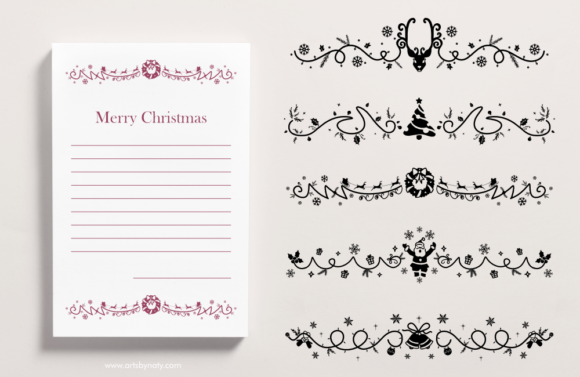
Review: Christmas Dividers, Headers, and Footers for Holiday Embroidery
As a designer who spends more time staring at stitch maps than most people spend on their phones, I approach new machine embroidery design files with a mix of excitement and skepticism. We all know the feeling: you download a beautiful graphic, load it into your software, and realize it's going to be a nightmare to stitch out. That is why I took a close look at the Christmas Dividers, Headers, or Footers collection before committing them to any client projects. These aren't just cute clipart; they are functional design assets intended to frame content, separate sections, or add a festive touch to an existing layout. For anyone running a craft business or selling on Etsy, understanding how these elements perform in the hoop is critical to maintaining professionalism.
The Visual Personality and First Impressions
When I first opened these files, the immediate impression was one of versatility. Unlike a standalone motif that demands center stage, these Illustrations are designed to support. They possess a clean, defined shape that suggests they were created with stitching in mind, rather than just digital printing. The mood is undeniably festive but restrained enough not to overwhelm a personalized name or a complex logo. Whether you are looking at a classic holly vine header or a whimsical footer, the visual personality feels cohesive. This is crucial for brand consistency. If you are creating a line of holiday products for a boutique, you need elements that look like they belong to the same family. These dividers provide that structural glue without shouting for attention.
Real-World Application: The Holiday Tote Bag Scenario
To truly test the viability of Christmas Dividers, Headers, or Footers, I imagined a specific real-life scenario that many of us face every November: a rush order for custom tote bag design packages for a local bakery. The client wanted simple canvas bags with their logo in the center, framed by something seasonal. This is where a header or footer shines. Placing a divider above the logo creates a polished, "finished product" look that elevates the perceived value of the item.
In this context, the design acts as a border that draws the eye inward. However, the execution matters. On a canvas tote, the fabric texture can be unforgiving. If the stitch density of the divider is too high, the fabric might pucker, ruining the flat surface needed for the main logo. Conversely, if the density is too low, the canvas weave might show through, making the design look cheap. My assessment is that these elements work best when paired with a high-quality cut-away stabilizer. This ensures that the decorative accents hold their shape even when the bag is stuffed with groceries. For a small shop product like this, the difference between a wobbly header and a crisp one is the difference between a happy repeat customer and a refund request.
Adapting for Apparel and Textured Surfaces
Moving beyond totes, let's consider sweatshirt embroidery. Fleece and French terry are popular for holiday embroidery, but they present unique challenges. A detailed footer might get lost in the nap of the fabric. When reviewing these designs, I looked closely at the balance between satin stitch outlines and fill stitch areas. Designs that rely heavily on fine running stitches for detail might disappear on a thick sweatshirt. However, if the Christmas Dividers, Headers, or Footers utilize bold shapes and appropriate underlay, they can sit beautifully on top of the fleece without sinking in.
For baby embroidery, the stakes are even higher regarding comfort and safety. A header used on a onesie or a burp cloth must be soft. Dense stitching can feel scratchy against sensitive skin. In these cases, I would recommend scaling the design down significantly or choosing the simpler variations within the collection. Always test the finished piece against your cheek; if it feels rough, your customer's baby will definitely notice. Furthermore, for items that undergo frequent washing, like kitchen towels or aprons, the integrity of the thread colors and the locking of the stitches are paramount. You don't want a festive divider unraveling after the first Thanksgiving dinner.
Technical Considerations for the Serious Stitcher
Before you sell these as part of a personalized gift or incorporate them into a commercial embroidery project, there are technical boxes to check. Since specific file details like exact stitch counts or recommended hoop sizes were not provided in the initial overview, it is your responsibility as the operator to verify them. Open the file in your editing software. Check the hoop size requirements. A wide header might require a large hoop, which limits where you can place it on smaller items like caps or cuffs.
Pay special attention to curved surfaces. If you plan to use these on a baseball cap, remember that a straight horizontal footer will distort over the curve of the front panel. You may need to adjust the angle or choose a design that naturally follows an arc. Additionally, review the color changes. A design with ten thread changes might look great in a mockup but will take forever to stitch on a production run. Efficiency is key for Etsy sellers and high-volume decorators. Simplifying the color palette to match your inventory can save hours of machine time.
Enhancing Value and Customer Trust
Ultimately, the goal of using elements like Christmas Dividers, Headers, or Footers is to enhance the visual appeal and perceived quality of your work. A well-placed divider can turn a basic monogram into a sophisticated crest. It signals to the buyer that thought went into the composition. This attention to detail builds customer trust. When a client sees that even the decorative flourishes are stitched cleanly and purposefully, they associate that quality with your entire brand.
For those creating printable mockups or digital previews, these assets are invaluable. They allow you to show potential buyers exactly how a custom design could look, increasing buyer engagement and conversion rates. Just ensure that your digital representation matches the reality of the stitched output. Over-promising on detail that the machine cannot deliver on certain fabrics leads to disappointment.
Final Verdict and Best Practices
In conclusion, the Christmas Dividers, Headers, or Footers collection offers a practical solution for adding seasonal flair to a wide range of projects. From embroidered patches to full-scale blanket borders, their utility is high. However, success depends on preparation. Always stitch a sample on scrap fabric that matches your final material. Test it in black and white to check for contrast issues. Verify the licensing terms to ensure you are cleared for commercial embroidery if you plan to sell the finished goods.
By treating these designs as structural components rather than afterthoughts, you can elevate your handmade product lineup this season. They are the subtle touches that make a custom apparel piece feel bespoke and a holiday gift feel truly special. With the right stabilizer, fabric choice, and machine settings, these illustrations will serve as reliable workhorses in your design library, helping you create professional, profitable, and beautiful embroidery projects year after year.