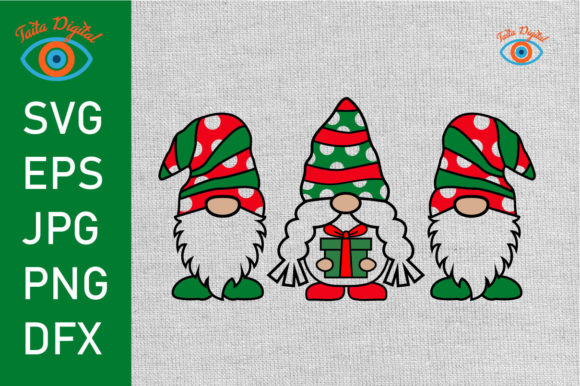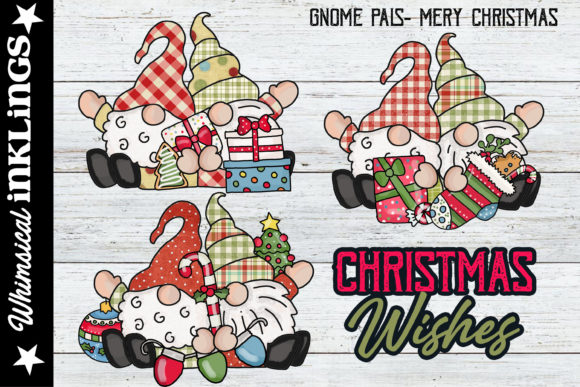
Merry Christmas Gnome Doodle Clipart: A Designer's Review
When I first pulled up the Merry Christmas Gnome Doodle Clipart on my screen, my immediate reaction wasn't just about cuteness; it was about stitchability. As someone who spends hours hooping fabric and trimming jump stitches, I look at digital assets differently than a graphic designer might. I'm looking for potential headaches in dense areas, clarity in small details, and how that whimsical "doodle" aesthetic translates when converted into a tangible machine embroidery design. This isn't just a pretty picture; it's a blueprint for a finished product that needs to withstand washing, wearing, and the critical eye of a paying customer.
The Vibe: Whimsy Meets Practicality
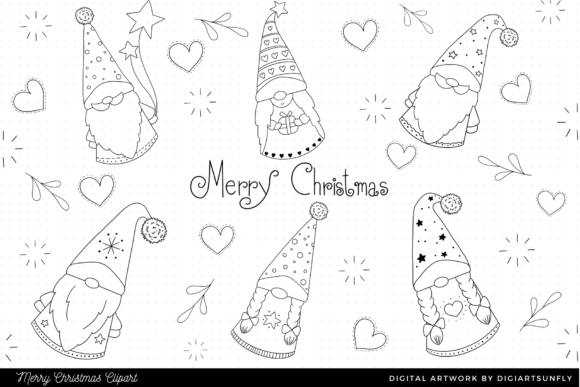
The mood of this illustration is undeniably cozy. It captures that hand-drawn, sketchy feel that is currently dominating the holiday market. For an Etsy seller or a boutique owner, this style signals "handmade" before the needle even hits the fabric. The lines appear loose and organic, which is fantastic because it forgives minor registration errors that can happen during stitching. Unlike rigid vector art where a missed pixel looks like a mistake, a doodle style embraces imperfection. However, from a technical standpoint, this looseness requires careful digitizing. If the stitch density is too low, those sketchy lines might look sparse and unfinished. If it's too high, you lose the airy, doodle-like charm and end up with a stiff puckered mess.
I immediately envisioned this design on a cream-colored linen tote bag design or a heather grey sweatshirt embroidery project. It feels right at home in a rustic, farmhouse-style holiday collection. It's not overly glossy or corporate; it feels personal, making it an ideal candidate for personalized gift items where the recipient values sentiment over slick perfection.
Real-World Application: The Holiday Tote Test
To truly evaluate the Merry Christmas Gnome Doodle Clipart, I mentally ran through a specific client scenario: a custom order for a local bakery needing branded holiday gift bags. They wanted something charming but durable. Using this gnome motif as the central element on a canvas tote makes sense. The character's proportions seem balanced, likely fitting well within a standard 5x7 hoop, though verifying the exact hoop size requirements in the file details is crucial before committing.
In this scenario, the gnome would be stitched using a combination of techniques. The hat and body would likely require a solid fill stitch to give them weight, while the facial features and decorative elements might rely on a running stitch or a light satin column to maintain that sketched look. The challenge here is contrast. On a natural canvas, you'd need rich, deep thread colors to ensure the gnome pops. If the original Illustrations rely on subtle shading, you might need to simplify the color palette to three or four distinct thread colors to maintain clarity in the embroidery.
For a small shop product line, consistency is key. If you are selling these as part of a series, you need to ensure the scale of the gnome matches other designs in your collection. Does it look too childish next to a more elegant script font? Or does it provide the perfect playful counterbalance? In my experience, this type of doodle art bridges the gap between kid-friendly and adult-crafty, making it versatile for everything from baby embroidery on onesies to kitchen towels for grandma.
Navigating Fabric and Texture Challenges
One of the biggest risks with doodle-style graphics is how they interact with fabric texture. On a smooth cotton or poly-blend, the lines will crisp up nicely. However, if you attempt this on a textured waffle weave or a fuzzy fleece, those fine sketch lines can get lost. I would advise against using this specific design on highly textured fabrics unless you plan to use an applique design approach, cutting out the gnome shape from a contrasting fabric and stitching it down. This adds dimension and ensures the silhouette remains visible regardless of the base material.
Stretchy fabrics present another hurdle. If you are planning custom apparel like leggings or tight-fitting tees, the stability of the design is paramount. A doodle with many disconnected lines can distort easily when the fabric stretches. In these cases, using a high-quality cut-away stabilizer is non-negotiable. You want the design to move with the garment without breaking stitches or warping the gnome's happy expression.
Dark fabrics are also a consideration. If the original clipart relies on black outlines, stitching black thread on a navy or black garment won't work. You would need to invert the colors or create a white outline version. This is where checking the versatility of the digital embroidery file becomes important. Can it be easily recolored in your editing software, or is it locked into a specific palette?
Commercial Viability and Brand Trust
For craft business owners, the visual appeal of a design directly impacts perceived value. A clean, well-executed embroidery job builds customer trust. If the Merry Christmas Gnome Doodle Clipart results in a muddy or unclear image due to poor digitizing, it reflects poorly on your brand. Customers equate stitch quality with product quality. Therefore, before listing this as a holiday embroidery item in your shop, you must test it.
Printable mockups are great for marketing, but they lie. They show you the ideal version. To gauge true buyer engagement, you need to see the physical sample. Does the satin stitch on the hat have enough coverage? Are the tiny details in the beard distinguishable? These factors determine whether a customer sees a premium handmade product or a cheap novelty item.
Essential Designer Notes for Success
Before you commit to a production run or list this item in your store, consider these practical steps:
- Test on Scrap First: Always stitch a sample on the exact fabric you intend to sell. What looks good on muslin might pucker on corduroy.
- Check Stitch Density: Ensure the fill areas aren't so dense that they cause the fabric to pull or the needle to break.
- Review Small Details: Look closely at the eyes and nose of the gnome. If they are too small, they may fill in with thread and disappear. You might need to simplify these elements.
- Verify Licensing: Since this is a commercial asset, confirm the license terms. Can you sell unlimited finished goods? Are there restrictions on using the design assets for digital sublimation versus embroidery?
- Contrast Check: View your design in black and white. If the elements blend together without color, the structure is strong. If it looks like a blob, you need to adjust your thread choices or the digitizing.
- Stabilizer Selection: Match your stabilizer to the fabric weight. Lightweight fabrics need more support to handle the weight of the embroidery.
Ultimately, the Merry Christmas Gnome Doodle Clipart holds significant promise for the upcoming season. Its strength lies in its approachable, friendly aesthetic that fits perfectly into the current trend of cozy, nostalgic holidays. However, its success depends entirely on execution. By respecting the limitations of the medium, choosing the right materials, and paying attention to the technical details of the embroidery project, you can transform a simple digital illustration into a cherished physical keepsake. Whether it ends up on a pillow cover, a festive apron, or a limited edition tee, this design has the personality to make your products stand out in a crowded marketplace.